
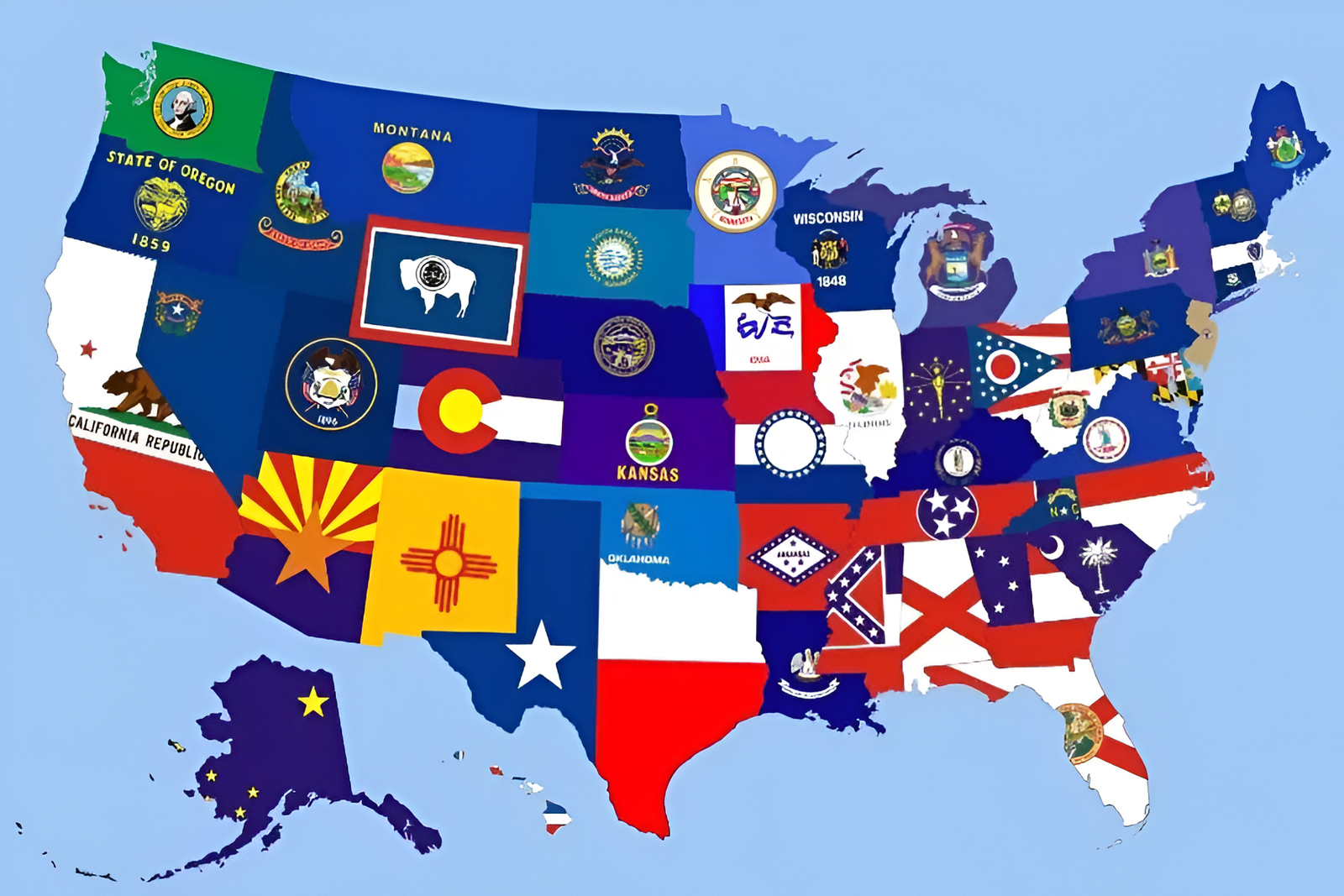
Gflaggle is a flag guessing game that challenges players to identify a country or territory just by looking at its flag. The game draws clear inspiration from the wildly popular Wordle format, where you get a limited number of tries and each guess gives you useful feedback. Players open the game, see a flag on the screen, and start typing country names to figure out which nation it belongs to. With every wrong guess, the game reveals helpful hints that slowly narrow things down. Gflaggle has grown quickly because people share their results, compare scores, and come back the next day to try again — which is exactly the habit-forming loop that makes games like this spread so fast across the internet.
How the wordle format inspired gflaggle
When Wordle first appeared, it sparked something the internet had not really seen before — a daily game that millions of people played together and talked about the next morning. Gflaggle sits firmly in that tradition, taking everything that made Wordle great and applying it to flag recognition in a way that feels natural. The daily format creates a shared experience, because everyone plays the same flag on the same day, which means real conversations happen and a genuine community builds up around the game. The limited number of tries creates tension without being cruel, because six guesses is enough to figure things out if you think carefully. Gflaggle earns its place in the Wordle family honestly — it does not just copy the format, it finds a subject that genuinely suits it.
Why flags make such a perfect subject for a guessing game
Flags are one of those subjects that seem simple on the surface but open up into something much richer the more you pay attention. Every flag tells a story — the colors, the symbols, and the patterns all carry meaning rooted in a country’s history, culture, and politics. Some flags are instantly recognizable, like Japan’s red circle on white or Canada’s maple leaf, but many others share colors and stripes in ways that make them genuinely hard to tell apart. This natural difficulty range gives gflaggle a wonderful built-in curve, where some days feel satisfying and easy, while others force you to think hard. Flags also have a visual clarity that makes them perfect puzzle material — you either recognize a pattern or you do not, and that moment of recognition is genuinely rewarding.
How the hint system in gflaggle works
One of the most thoughtful parts of gflaggle is the way its hint system is built, because it does not just tell you right or wrong — it actively helps you think. When you make a guess, the game reveals information about the target country’s continent, capital city, flag colors, and other geographic details that push your thinking forward. This means that even when you guess completely wrong, you walk away knowing something new about the world. The hints arrive in a logical order that mirrors how most people think about geography — starting broad with continent, then narrowing down to more specific clues. Players who start knowing very little about world flags often find that after a few weeks of daily gflaggle, they have picked up a surprising amount of real geographic knowledge without even trying.
The daily format and why it keeps players coming back
Gflaggle follows the daily game model, and this format suits a flag game extremely well for a few clear reasons. There are enough countries and territories in the world that the game can run fresh content for years without repeating itself too soon. The short session length means you can finish a game in under five minutes and carry on with your day, which removes the barrier that stops people from playing other, longer games. Because everyone plays the same flag on the same day, results are shareable and conversations are easy — you can compare scores with a friend without anyone spoiling the answer. That combination of brevity, freshness, and social connection is exactly why gflaggle has found a loyal daily audience that grows a little bigger every week.
What makes gflaggle different from other geography games
There are plenty of geography games on the internet, but gflaggle stands apart from most of them in a few important ways. Most geography games rely on maps, asking players to click on a country or name a capital city, which tests a fairly narrow type of knowledge. Gflaggle approaches geography from a completely different angle — it starts with a visual symbol and asks you to work backwards to the country, which engages a different part of your brain entirely. The game also rewards casual players and geography enthusiasts equally, because the hint system levels the playing field enough that even someone with limited knowledge can make progress on any given day. Furthermore, gflaggle never feels punishing, because even a loss teaches you something specific and memorable. That combination of visual thinking, geographic learning, and fair challenge puts gflaggle in a category of its own.
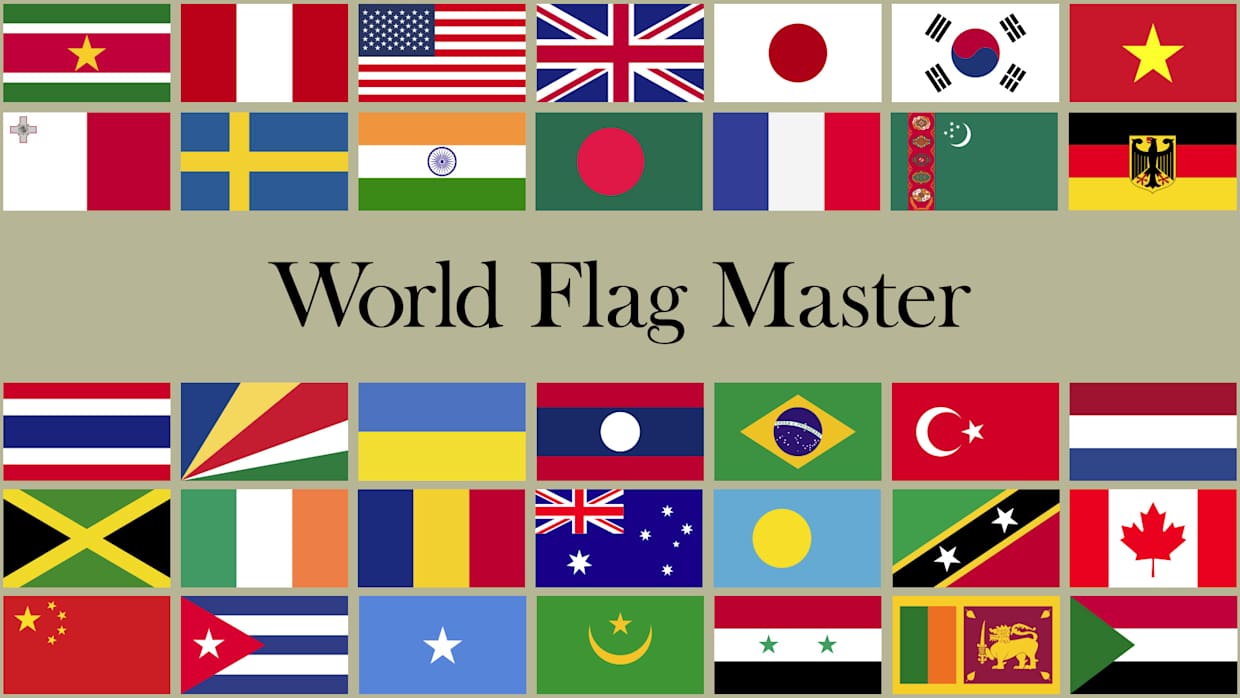
The community that has grown around gflaggle
Any game that runs on a daily format and produces shareable results will eventually grow a community, and gflaggle has done exactly that. Players post their scores on social media, debate which flags are the hardest, and celebrate when they nail a tricky one on the first try. Online groups have formed where people discuss flag history, share tips for remembering which country goes with which flag, and encourage newer players who are just getting started. This community aspect adds a whole second layer of enjoyment on top of the game itself — instead of playing alone, you are participating in something that thousands of other people are doing at the same time. The social energy around gflaggle also pushes players to improve, because no one wants to post a six-guess score when their friends are regularly getting it in two or three.
How gflaggle helps you learn world geography without studying
Here is the thing about gflaggle that separates it from flashcard apps or geography textbooks — it teaches you without ever feeling like a lesson. The game places you in a situation where you genuinely want to know the answer, which means your brain absorbs the information much more effectively than it would from passive reading. When you learn that the flag with the cedar tree belongs to Lebanon, you remember it because you were motivated to find out, not because someone told you to memorize it. Over time, players build up a mental map of the world’s flags that transfers naturally into broader geographic knowledge. Gflaggle essentially turns curiosity into learning, and it does so in a format that feels like play from start to finish.
The design choices that make gflaggle so easy to pick up
Gflaggle works partly because its design gets out of the way and lets the game speak for itself. The interface is clean and simple — a flag sits at the top, a text box sits below it, and everything you need is right there on one screen without any clutter or confusion. The feedback after each guess is immediate and easy to read, so you always know exactly where you stand and what information you now have to work with. The game never asks you to create an account, install an app, or wade through advertisements before you can play, which removes friction that kills casual games before they even get a chance. These choices feel small individually, but together they create a playing experience that respects your time and makes starting a new game feel effortless every single day.
Explore More Online Entertainment
If you enjoy interactive games like Gflaggle, you may also appreciate other forms of digital entertainment that challenge your skills and keep you engaged. Beyond geography puzzles, many players explore strategy games, online slots, and gaming communities for a different kind of excitement. SpinSlot.co.uk features helpful guides, game reviews, and industry updates, making it a useful resource for anyone interested in discovering new gaming experiences while staying informed about the latest trends in online entertainment.
Why gflaggle works well for classrooms and education
Teachers have started noticing gflaggle, and for good reason — it slots into a classroom setting surprisingly well. Geography teachers can use the daily flag as a warm-up activity that takes five minutes and sparks genuine discussion about where a country is located, what its flag represents, and what students already know about that nation. Because the game is engaging rather than dry, students actually pay attention and participate, which is half the battle in any classroom. The hint system works as a natural teaching scaffold, giving students just enough support to keep thinking rather than giving up. Gflaggle also works equally well for individual study, because a student who plays daily will naturally absorb flag recognition and geographic context over time without the game ever feeling like homework.
The flags that trip up even experienced players
Even players who have been playing gflaggle for months still get caught out by certain flags, and there are some clear patterns in which ones cause the most trouble. Flags that share the same three colors arranged in similar horizontal or vertical stripes are notoriously difficult — the flags of Chad and Romania, for example, look nearly identical to the untrained eye. Several African nations have flags featuring the same combination of red, gold, and green, which makes distinguishing between them a genuine challenge without close attention to the specific symbols or shades involved. Island nations and smaller territories also catch players off guard, because many people simply have less exposure to their flags in daily life. These hard cases are actually part of what makes gflaggle so enjoyable — they give experienced players something real to work toward and keep the game from ever feeling too easy.
How gflaggle compares to other wordle-style games
The Wordle format has produced a huge number of spin-off games covering everything from music to mathematics, and gflaggle competes in a crowded space. What sets gflaggle apart from many of its competitors is the depth of content available — with nearly two hundred countries and dozens of territories in the world, the game has a vast pool of material to draw from. Many Wordle-style games feel thin after a few weeks because their subject matter runs out of variation, but gflaggle avoids this problem naturally. The visual nature of the puzzle also makes gflaggle feel meaningfully different from word-based games, because it engages spatial and pattern recognition skills rather than just vocabulary. Players who enjoy other daily games often find that gflaggle fills a different mental niche, which means it sits alongside those games rather than competing with them for the same slot in someone’s daily routine.
The role of difficulty settings in gflaggle
Good game design means giving players control over their experience, and gflaggle handles this well by offering different ways to engage with the challenge. Some versions of the game allow players to choose how many hints they receive, letting experienced players push themselves by limiting the clues available. Others include a hard mode where the flag is partially obscured or displayed at a small size, making the visual puzzle genuinely more demanding. These options mean that gflaggle grows with its players — a newcomer can use all available hints and still have a satisfying experience, while a veteran can strip those aids away and test their genuine knowledge. The result is a game that does not age out its most dedicated players, because there is always a harder way to play if you want one.
How sharing results turned gflaggle into a social game
Sharing game results on social media is a behavior that Wordle essentially invented at scale, and gflaggle carries that tradition forward with its own shareable score format. When players finish a round, they can copy a clean summary of their guesses — showing how many tries it took and which hints they needed — and post it without spoiling the answer for anyone who has not played yet. This sharing behavior does several things at once: it promotes the game organically, it creates social pressure to keep playing so you have results to share, and it generates conversations between players who compare their approaches. Gflaggle’s shareable format is designed to be curious-looking to outsiders — someone who has not played yet sees the post and wants to know what it means, which draws new players in naturally. That viral loop is a big part of why gflaggle keeps growing.
What regular gflaggle players say about the experience
Talk to people who play gflaggle every day and a few consistent themes come up quickly. First, nearly everyone mentions that they have become noticeably better at geography since they started playing, often in ways they did not expect. Second, players talk about the satisfying feeling of getting a flag right on the first guess — that flash of confident recognition feels genuinely good, and it gets better the more rare and difficult the flag is. Third, many players describe the game as part of their morning routine, something they do with coffee before work that wakes up their brain and puts them in a good mood. The game has clearly found a place in people’s daily lives that goes beyond casual entertainment, functioning more like a small mental ritual that players genuinely look forward to each day.
The global appeal of gflaggle across different countries
One of the interesting things about gflaggle is that it appeals to players from every part of the world, but for slightly different reasons depending on where you are from. Players from smaller or less internationally prominent countries often feel a particular satisfaction when their own nation’s flag appears as the daily puzzle, and they frequently share the result with pride. Players from larger, more globally visible countries tend to enjoy the challenge of identifying flags from regions they know less well, like Oceania or Central Asia. Gflaggle naturally encourages everyone who plays it to think beyond their own geographic familiarity, which gives the game a genuinely global character. The fact that the game covers territories and smaller nations alongside the most famous countries means it treats the whole world as equally worth knowing, which players across the globe tend to respond to warmly.

Tips for getting better at gflaggle faster
If you want to improve at gflaggle without spending hours studying, there are a few practical approaches that work well. Start by learning the flags of the major geographic groupings — knowing the common color schemes and symbols used in West Africa, the Caribbean, or Southeast Asia will immediately help you narrow down your guesses based on continent hints. Pay attention to specific symbols that appear on certain flags, like stars, crescents, crosses, and animals, because these features often narrow a flag down to a short list of countries very quickly. After each game, spend thirty seconds looking up the flag you just played and reading one or two sentences about what its design represents — this context makes the image stick in your memory far better than simply seeing it again. Play consistently rather than in bursts, because daily exposure builds genuine pattern recognition over time in a way that cramming simply does not.
The future of gflaggle and where it might go next
Gflaggle has established itself as a real daily habit for a growing number of players, which means the question of where it goes next is genuinely interesting to think about. The most natural expansion would be adding more territories, historical flags, or regional variants to deepen the puzzle pool even further. Multiplayer modes where friends compete in real time on the same flag could add a competitive layer that the daily format currently lacks. Educational partnerships with schools and geography programs seem like an obvious direction, given how naturally the game fits into a learning context. Whatever direction gflaggle takes, its core strength — a clean, visual, daily geography puzzle with a smart hint system — gives it a solid foundation to build on. The game has proven that people genuinely want to learn about the world when the learning is wrapped in something fun, and that is a valuable thing to have figured out.
Why gflaggle is more than just a game
At its core, gflaggle is a game about paying attention to the world. Every flag in its library represents a real place with real people, a real history, and a real story about how that symbol came to represent them. Playing gflaggle regularly means regularly being reminded that the world is large, varied, and full of places worth knowing about. That is a surprisingly meaningful thing for a five-minute daily game to accomplish, and it is part of why gflaggle feels a little more worthwhile than most casual games. Players often describe a growing sense of geographic awareness that spills over into other parts of their lives — noticing flags in news coverage, recognizing where a visiting sports team is from, or simply feeling more comfortable talking about world events. Gflaggle does not set out to make you a geography expert, but it quietly moves you in that direction anyway, one flag at a time.
Conclusion
If you have made it this far and have not yet tried gflaggle, the case for starting today is pretty straightforward. The game takes five minutes, it is free to play, it teaches you something real, and it gives you a reason to feel genuinely good about yourself when you nail a tricky flag early. The community around it is friendly, the daily format keeps things fresh without demanding too much of your time, and the sense of steady improvement over weeks and months is genuinely motivating. Gflaggle sits in that rare sweet spot where something is both fun and actually good for your brain, which is not easy to find. Go play today’s flag, see how you do, and there is a very good chance you will be back tomorrow to try again.
Frequently asked questions
What is gflaggle?
Gflaggle is a daily flag guessing game where you try to identify a country or territory by its flag in six tries or fewer, with hints given after each wrong guess.
Is gflaggle free to play?
Yes, gflaggle is completely free to play and you do not need to create an account or download anything to get started.
How many guesses do you get in gflaggle?
You get six guesses per day, and after each wrong guess the game reveals a new hint to help you narrow down the answer.
Does gflaggle help you learn geography?
Absolutely. Regular players consistently report that they pick up real geographic knowledge over time simply by playing the game every day and reading the hints.
How often does gflaggle update with a new flag?
Gflaggle refreshes with a brand new flag every single day, so there is always a fresh puzzle waiting for you when you come back.
Read also: Software Development The Beginner-Friendly Guide